sermorelin Dosage in the Research Literature
sermorelin dosage data in the research literature spans a wide range: from 1 mcg/kg IV for diagnostic GH stimulation, to 30 mcg/kg once daily subcutaneous for pediatric GHD treatment (the FDA-approved Geref dose), to retrospective adult compound pharmacy data at 100-300 mcg subcutaneous once daily. Dose-response, pharmacokinetics, timing, and route considerations are documented below from the peer-reviewed and prescribing-information records.
Sermorelin Half-Life and Pharmacokinetics
Sermorelin has a plasma half-life of approximately 11-12 minutes after either intravenous or subcutaneous administration [4]. Peak serum concentration is reached in 5-20 minutes after subcutaneous injection [4]. Mean absolute subcutaneous bioavailability: approximately 6% [4]. Mean plasma clearance: 2.4-2.8 L/min in adults [4]. Volume of distribution: 23.7-25.8 L after IV dosing [4].
The short half-life is a consequence of rapid proteolytic clearance by serum DPP-4 and other serum proteases. The GH pulse that sermorelin triggers continues for 2-4 hours after the peptide itself is cleared from circulation [4]. This decoupling — short peptide half-life, extended GH response — is the pharmacokinetic basis for the pre-sleep dosing rationale: the peptide acts in the first 20 minutes, the GH response it initiates runs through the first half of the sleep period.
Comparison: CJC-1295 without DAC has a half-life of approximately 30 minutes (DPP-4-resistant amino acid substitutions); CJC-1295 with DAC achieves 6-8 day half-life via albumin binding [19]. Tesamorelin (FDA-approved GHRH analog for HIV-associated lipodystrophy) achieves greater stability via a trans-3-hexenoic acid modification without the sustained-release pharmacokinetics of CJC-1295 DAC [13].
Sermorelin is susceptible to degradation in solution; reconstituted preparations require refrigeration and protection from light per prescribing literature [4].
Dose-Response Relationships in Sermorelin Studies
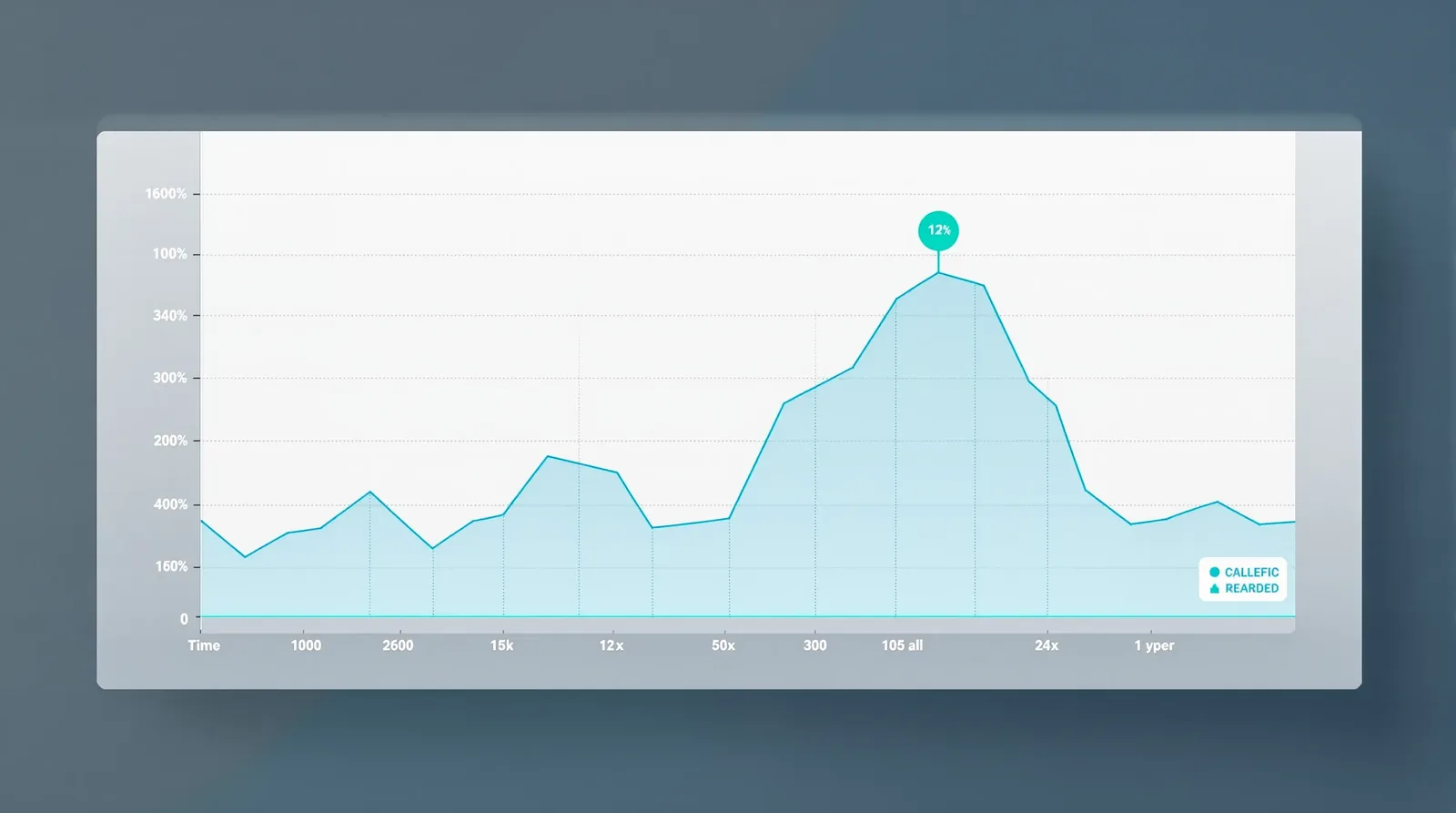
Human clinical studies found statistically significant GH elevations at doses as low as 30 mcg/kg during diagnostic stimulation studies in adults [4]. Dose-response curves show diminishing GH increments above approximately 1 mg/dose, attributable to receptor saturation and somatostatin feedback [4].
In the Geref pediatric therapeutic program, 30 mcg/kg once daily produced strong efficacy: height velocity doubled from 4.1 to 8.0 cm/year at six months [1]. The adult retrospective compound pharmacy literature uses a different weight-independent dosing convention: typically 200-300 mcg once daily subcutaneous, which reflects the practical dosing window studied in adult cohort analyses [4].
The adult 100-300 mcg range is supported indirectly by the Sigalos 2017 study of GH secretagogue treatment in 14 hypogonadal men at 100 mcg three times daily — a higher total daily dose that produced statistically significant IGF-1 elevation (p<0.0001) [3].
High ambient free fatty acids reduce GH response to GHRH analogs via pituitary-level autofeedback [10]. Elevated exogenous GH and glucocorticoids also blunt the GH response to GHRH stimulation [10].
Timing of Sermorelin Administration in Research Protocols
Clinical protocols administered sermorelin at bedtime to align with the endogenous nocturnal GH surge [6][8]. The rationale: approximately 70% of nocturnal GH secretion aligns with SWS stages, and the largest GH pulse occurs shortly after sleep onset [6]. Sleep onset — not SWS stage per se — is the anchor: when sleep onset was delayed to 02:00 in experimental subjects, GH secretory bursts also shifted, aligning with the new post-sleep-onset SWS [8].
Nocturnal GHRH administration during the first half of the night increased both GH plasma levels and SWS; morning administration (04:00-07:00) raised GH without altering sleep [7]. The pre-sleep timing window is designed to augment the natural nocturnal pulse rather than introduce an out-of-phase GH stimulus.
The 11-12 minute half-life means sermorelin clears before most subjects fall asleep; the GH pulse it triggers then unfolds during early sleep. The alignment is precise by design.
Injection Site and Technique in Clinical Protocols
Subcutaneous injection is the standard therapeutic and research route [2][15]. The prescribing literature specifies rotation of injection sites to avoid lipodystrophy. Common sites in clinical protocols: abdominal adipose tissue, upper arm, thigh.
IV administration was used for diagnostic stimulation testing (1 mcg/kg single IV dose) and pharmacokinetic studies, not for therapeutic protocols [2][4].
Intranasal administration has been investigated as a non-invasive alternative; bioavailability via this route is substantially lower than subcutaneous [4]. It has not been validated in randomized therapeutic trials.
Injection site reactions (pain, swelling, redness) occurred in approximately 16% of patients across the 350-patient Geref clinical trial pool [15]. Three patients discontinued. These are the most common documented adverse events; systemic adverse events had individual occurrence rates below 1% each [15].
Sermorelin Results Timeline: Clinical Study Observations
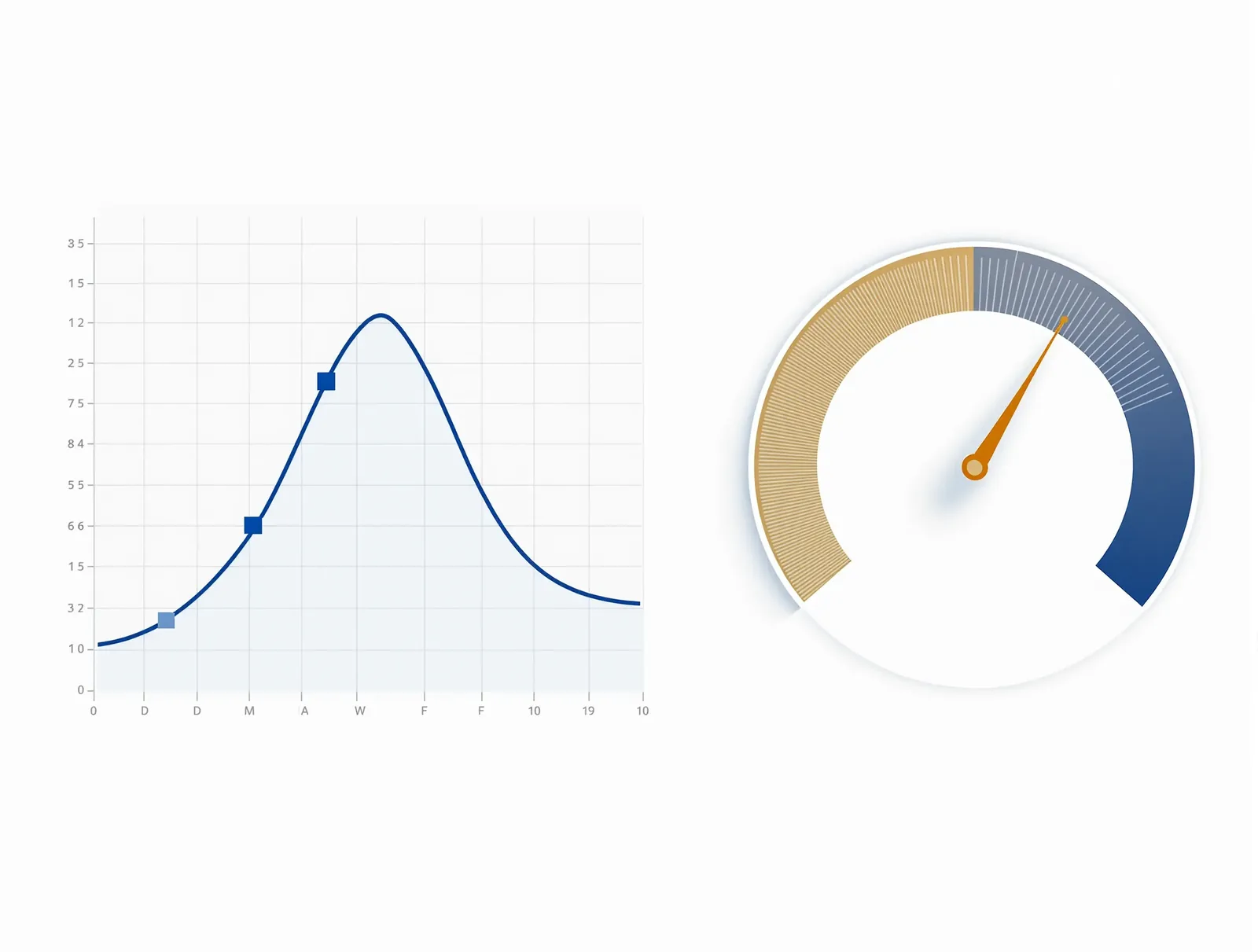
Week-by-week outcome data from the research literature suggest the following sequence.
Weeks 2-4: IGF-1 elevation and early subjective outcomes (sleep quality changes) are the earliest documented signals. The Sigalos 2017 adult male GH secretagogue study showed measurable IGF-1 changes within the first monitoring window (approximately 30 days) [3].
Weeks 6-8: Statistically significant IGF-1 elevations are confirmed in clinical studies [3]. The pediatric height velocity data shows meaningful improvement by the first six-month assessment [1].
Months 3-6: Body composition outcomes (lean mass increase, fat mass reduction) require this duration to become measurable in clinical trials. The tesamorelin GHRH-class RCTs document significant body composition changes over this window [13].
Year 1-2: Sustained GH pulse restoration and cumulative body composition outcomes are documented in the two-year GH secretagogue RCTs [11][16]. Bone density improvements accrue over this period as well [14].
Three months of sermorelin: the 3-month window shows early IGF-1 increases and sleep quality changes, but the clinical studies examining body composition and bone density outcomes used 6-24 month durations. Three months is insufficient to assess body composition endpoints in the trial literature [1].
Diet and Fasting Interactions with Sermorelin in Studies
GH response to GHRH analogs is modulated by metabolic state at the time of administration. The key variable: circulating free fatty acids (FFA).
Elevated FFA blunts GH response to GHRH stimulation via a pituitary-level autoinhibitory mechanism — distinct from and additive to somatostatin feedback [10]. In a controlled human study, methionyl-GH infusion inhibited GH response to GHRH stimulation even when peripheral lipolysis and hypothalamic somatostatin were pharmacologically blocked [10].
The implication for dosing timing: fasted-state administration and low-carbohydrate conditions, which lower circulating FFA, are associated with higher GH pulse amplitudes in controlled settings. Post-meal states with elevated FFAs from lipolysis of dietary fat reduce the GHRH-stimulus GH response [10].
Glucocorticoids and high exogenous GH levels reduce GHRH analog efficacy through separate feedback pathways [10].
Treatment Duration: What Studies Examined
Human clinical trials studying sermorelin administered it for 6-24 months in the efficacy-focused studies [1][2]. The three-month window captures early IGF-1 elevation but falls short of the duration used to assess body composition and bone density endpoints in the research record.
The two-year ibutamoren GH secretagogue RCT (65 healthy adults) sustained pulsatile GH restoration and fat-free mass improvements for the full study period without evidence of tachyphylaxis [11]. The tesamorelin RCTs (five studies, meta-analysis) documented effects over periods consistent with sustained dosing [13].
Long-term sermorelin use: the pediatric Geref program found no pituitary hyperplasia and no antibody-mediated efficacy loss across multi-year follow-up [2]. Adult long-term data are limited. See long-term safety data on the research page for the full discussion.